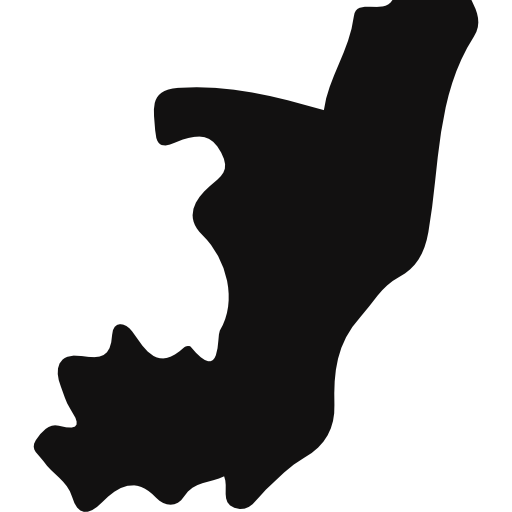
The Republic of the Congo
Though usually considered part of the broader “Congo–Angola” or “West Central Africa” region rather than a separate category, the territory of today’s Republic of the Congo (Congo-Brazzaville) was connected to the slave-trading networks centered on the Congo River basin and the Atlantic coast.
People from this region were among those forcibly transported across the Atlantic during the transatlantic slave trade. The coastal and river regions near the Congo estuary were tied to the Kingdom of Kongo and neighboring states. European traders — especially the Portuguese — worked through trading ports farther south and along the coast to export enslaved Africans from the wider Congo region.
Historians generally group the present-day Republic of Congo, the Democratic Republic of Congo, and Angola into the major source region known as West Central Africa. This broader region was one of the largest sources of enslaved Africans sent to the Americas, especially to Brazil.
The region of modern Congo-Brazzaville was historically a significant slave-exporting area, although historians more frequently associate it with Angola and the DRC rather than treating it as a separate entity. The main Slave Trade Port was Loango Slave Port, which was heavily linked to transatlantic trafficking networks.