Côte d’Ivoire
What is now the Ivory Coast (Côte d’Ivoire) was one of the departure points in the transatlantic slave trade, but it was not among the very largest source regions overall.
It fits within the trade system because the modern Ivory Coast’s coast historically belonged to what historians refer to as the Windward Coast of West Africa. This region also included parts of present-day Liberia and eastern Sierra Leone.
This region did export enslaved people, but its role was smaller and less regular than that of the major slave-export zones.
Most enslaved Africans transported to the Americas originated from the Bight of Benin (present-day Benin and nearby regions), the Bight of Biafra (southeastern Nigeria), and the Gold Coast (now Ghana). These areas supplied significantly more captives than the Windward Coast, especially during the peak of the 18th-century slave trade expansion.
The Windward Coast was less significant because several factors constrained large-scale exports from the Ivory Coast region: stronger local resistance, political fragmentation, more challenging coastal access in certain areas, and European trading priorities shifting toward more centralized slave markets elsewhere.
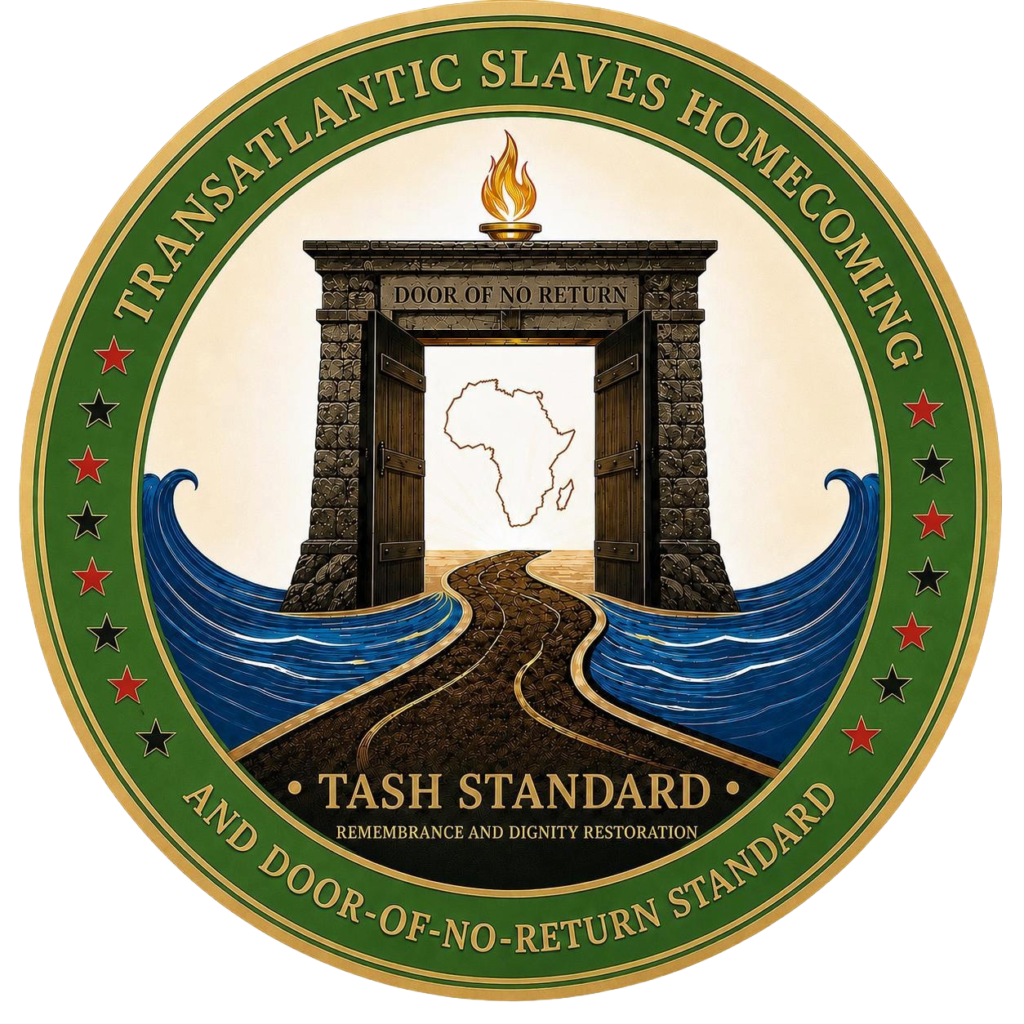
Côte d’Ivoire has memorial sites connected to the transatlantic slave trade, including locations known as a “Door of No Return.” One significant site is Assinie, a historic coastal village that was involved in the slave trade. Another notable site is Grand-Bassam, which was once the French colonial capital. Although it is primarily recognized for its colonial architecture, the nearby coast was also part of extensive Atlantic slave trade routes that involved slavery.