Ghana
Ghana, particularly the area once known as the Gold Coast, played a major role in the transatlantic slave trade. While regions along the Upper Guinea Coast — including present-day Guinea — were important in the earlier phases of the trade, the center of slave exports gradually shifted. By the 17th and 18th centuries, the Gold Coast had become one of the most significant embarkation points for enslaved Africans transported across the Atlantic.
European powers such as the Portuguese, Dutch, British, and Danes established forts and trading posts along Ghana’s coastline, including Elmina Castle and Cape Coast Castle, which became central hubs in the transatlantic trafficking of enslaved people. Captured Africans from inland communities and neighboring regions were forcibly transported through these coastal forts before being shipped to the Americas.
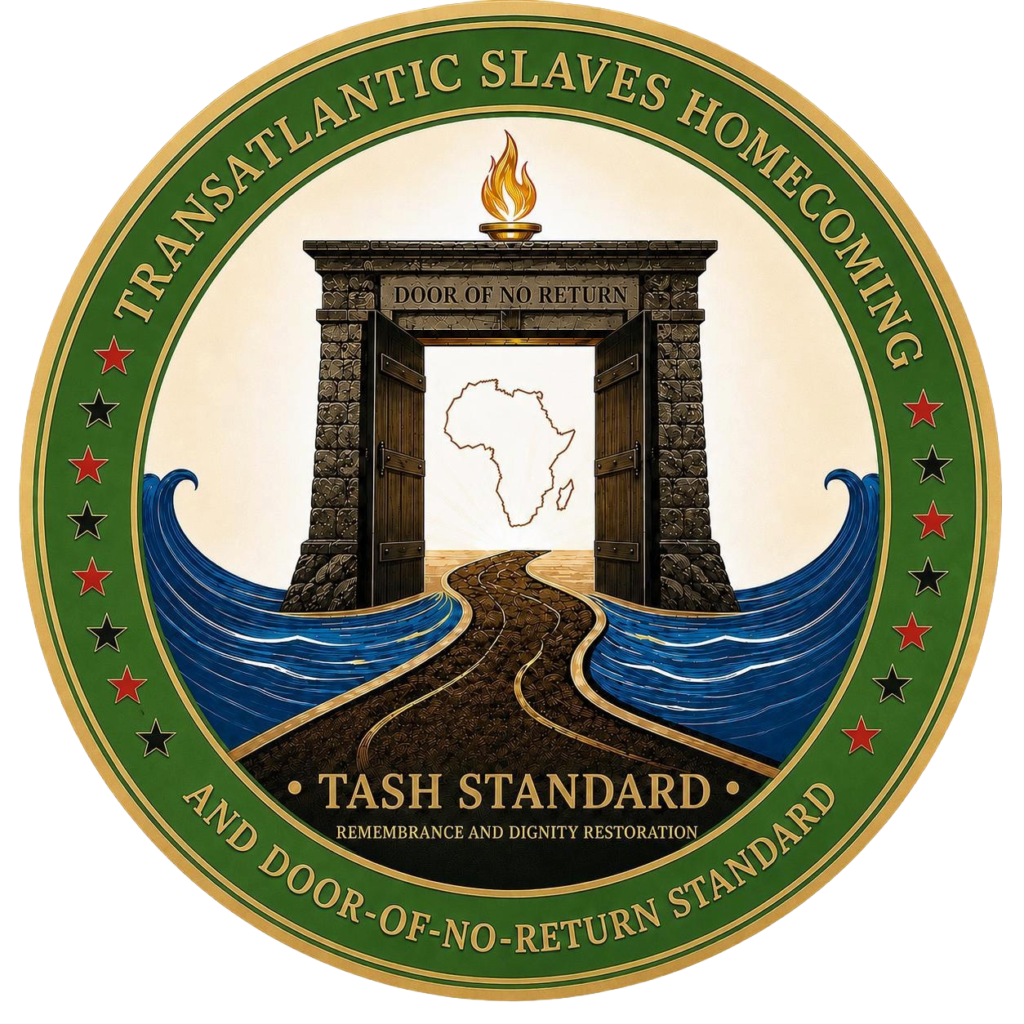
The castles of Ghana contain some of the most documented dungeons and embarkation passages used in the transatlantic slave trade. Visitors continue to experience the emotional impact of the “Door of No Return” passageways.
Ghana’s involvement in the transatlantic slave trade reflects a broader, deeply painful history of European colonial expansion, African political dynamics, and global economic exploitation. Today, Ghana remains an important site of remembrance and historical reflection, with many descendants of enslaved Africans visiting the country to reconnect with their ancestral heridge and honor those who suffered during the era of the transatlantic slave trade.